The distinction that matters
Cosmetic claims versus antifungal claims
This is the single most important thing to understand about products in this category, and
almost no page explains it. In the United States, a product is classified by what it claims to
do. Say your spray improves the appearance of nails and you have a cosmetic. Say it treats a
fungal infection and you have a drug — which triggers a completely different set of
rules, including a Drug Facts panel, a named active ingredient at a specified percentage, and
the obligation to back the claim.
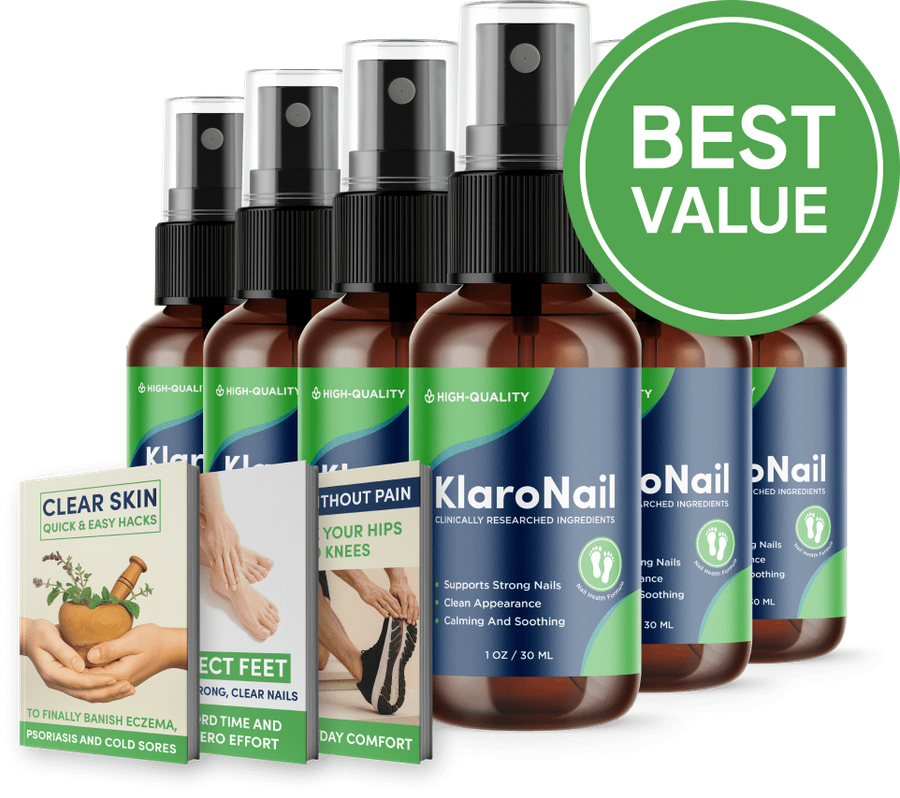
Nail sprays in this category are almost universally cosmetics. They are, however, marketed
to an audience searching for solutions to thickened, yellowed, crumbling toenails — which
is to say, searching for a treatment for onychomycosis. The marketing sits in that gap
deliberately: implying the outcome without ever making the claim.
Once you see it, you cannot unsee it, and it makes you a much better buyer. A cosmetic oil
blend for dry, splitting, dull-looking nails is a perfectly reasonable product. The same
product bought in the hope of clearing a fungal infection is a disappointment waiting to
happen, and no amount of consistency in application will change that.
How to read the label yourself →